
Welcome to Advanced Color Science
For decades, we were able to point a camera at a scene, press the shutter, or roll on a take — and get a nuanced image. In the digital era, we’ve forgotten that one of the things that made those images special was the engineering behind crafting and tuning the rendition of colors and tones. With this ever expanding series of lessons, I want to bring that back.
If you have any questions don’t hesitate to contact me at: filmmatch.info@gmail.com
A Growing Series Of Lessons on Film Profiling & Advanced Color Science
Film Profiling Overview
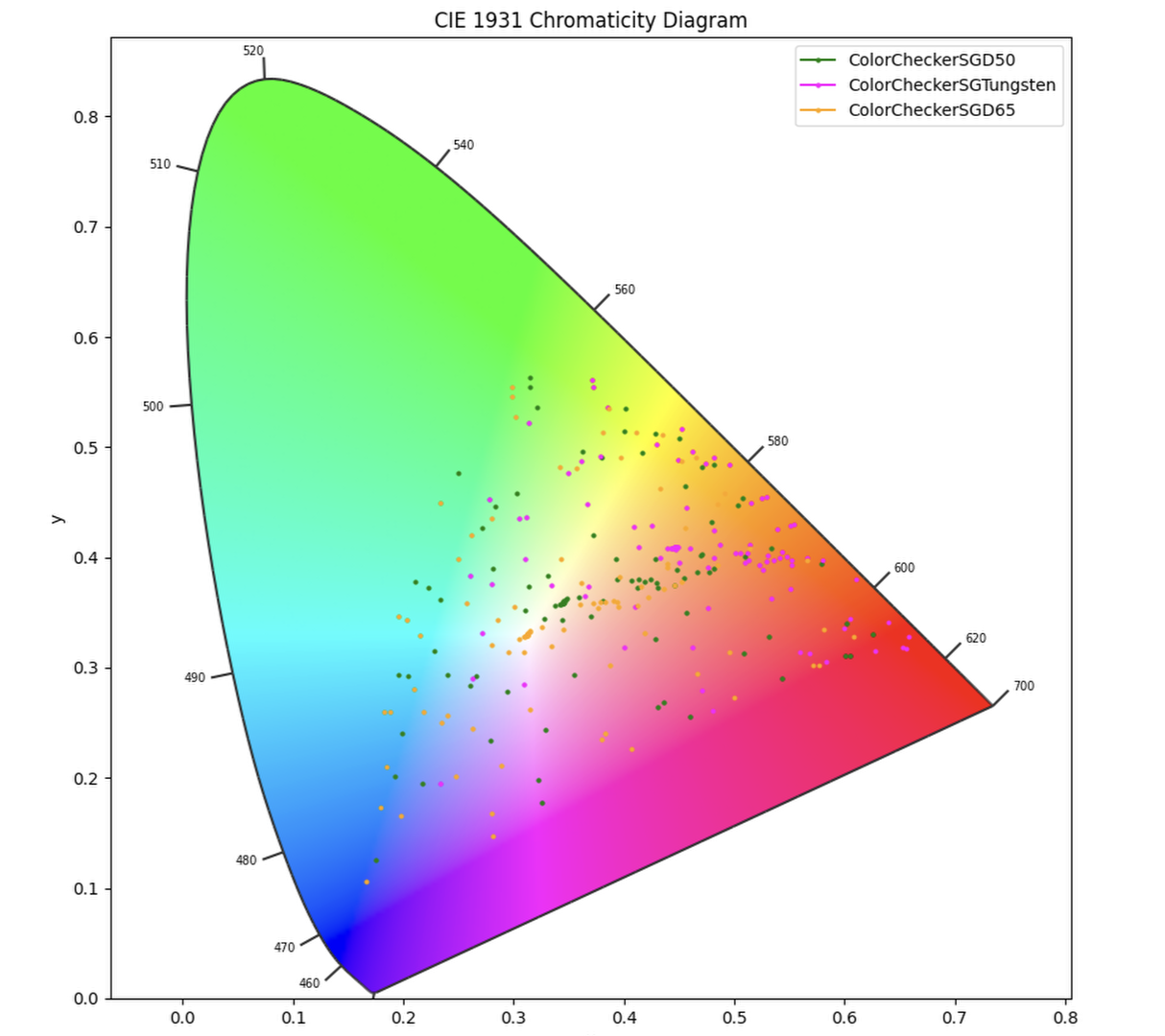
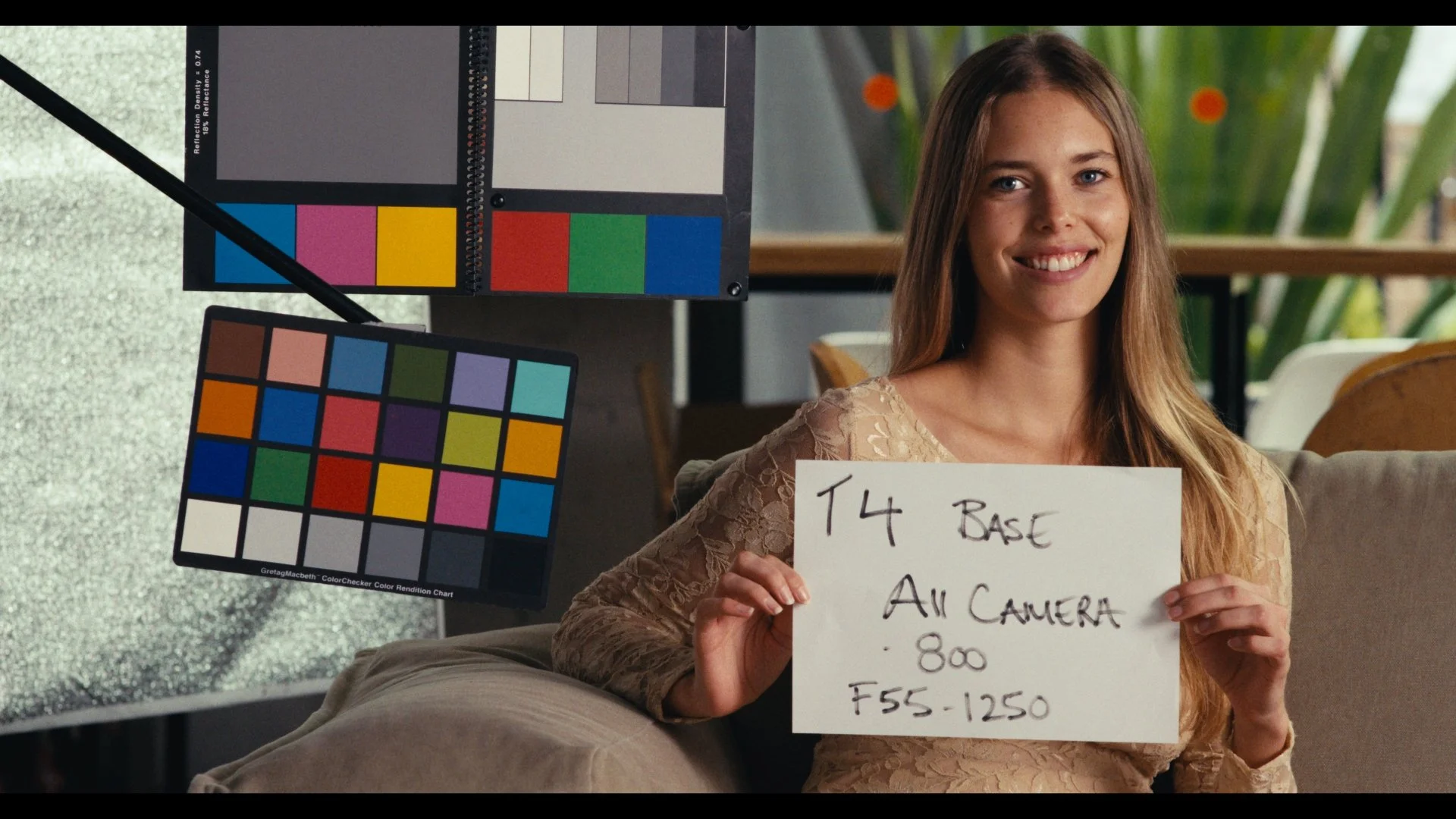
In order to create an accurate profile/emulation of a film stock we need to capture a lot of colors (stimuli) with a digital camera and the film stock we want to emulate, side by side under the same exact conditions all across the exposure range. The scope is to have an accurate comparison of how the digital sensor and the film sensor respond to light
Shooting the Charts Lesson (Film Profiling)
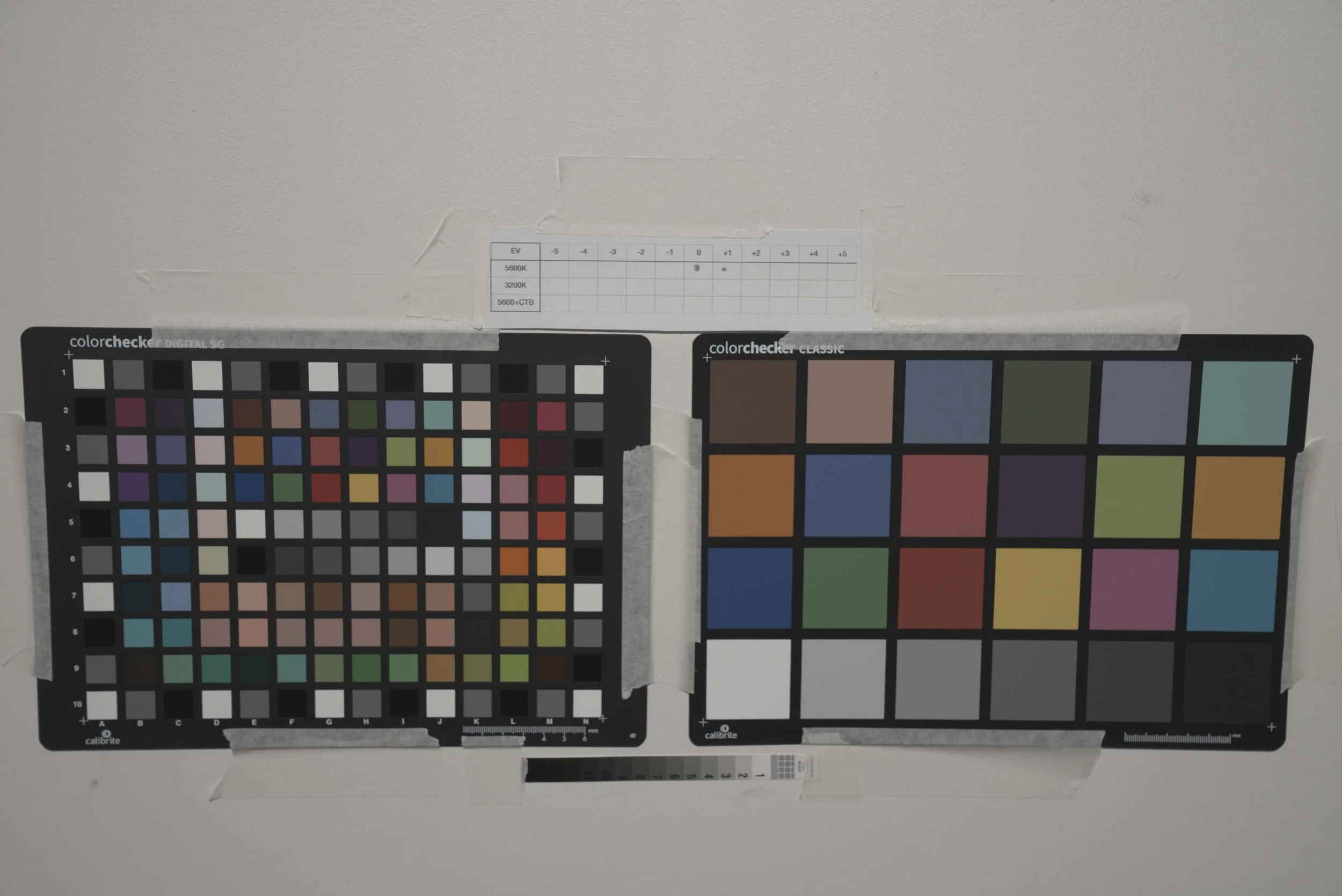
This is where it all starts, the data gathering process. This is the first step when profiling a film stock. It might seam trivial but there are many aspects to keep in mind to achieve accurate results In this lesson you’ll learn everything there is to know when it comes to shooting charts.
Matching Digital to Film
This is the core of the profiling process. In this lesson I’m going to show you how to automate and perform the profiling process matching digital to film, so that you can then create profiles of your favorite film stocks
Film Scanning
In this lesson I’m going to show you how to get professional results from a Dslr scanning set up and how to prepare the scanned charts for profiling
Grain profiling and compositing
In this lesson I’m going to walk you through you some advanced workflows to create physically accurate grain assets and how to composite them onto images. The resulting grain will be organic and it will feel like it part of the image and not just a layer on top